AGP Executive Report
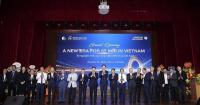
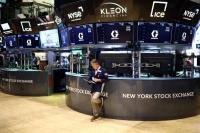
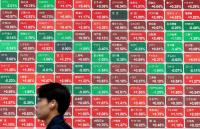
Last update: an hour agoSingapore’s Solar Push: Singapore will test solar panels suspended between industrial buildings, turning 4,300 square metres of unused space into a potential 250-kilowatt power source. The pilot is part of a broader effort to expand solar capacity, while the energy regulator has awarded S$14.9 million for projects using AI and flexible resources to strengthen the power grid. Clean-Energy Risks: The IEA warned that Southeast Asia’s growing electricity demand makes the region vulnerable to concentrated clean-energy supply chains. ASEAN demand is rising twice as fast as overall energy consumption, driven by industry, air conditioning, EVs and data centres. Regional Technology Links: Amogy will pilot ammonia-cracking technology with Singapore’s A*STAR, while Vietnam’s new trade deal with EFTA could help local manufacturers access advanced European technologies and move into higher-value supply chains. AI Markets: Anthropic’s IPO filing helped lift Asian tech shares, with South Korean and Japanese markets among the strongest, as investors weigh the prospects—and risks—of the AI boom.
Note: AI summary from news headlines; neutral sources weighted more to help reduce bias in the result. Feedback is welcome. Please let us know if you have any comments or suggestions about the AGP Executive Report.

 Perspectify News